
Consharkvation Against the Proposal to Downgrade Full Protection Status on Part of the Azores Marine Protected Areas Network (RAMPA).
Horta, 23 / 04 / 2025
Consharkvation Azores is particularly dedicated to the conservation of sharks and rays, with its primary goal being to preserve and protect these cartilaginous fish species as a natural and intangible heritage of the Azores, Portugal, and Europe. Our organization aims above all to ensure the preservation and continuity of these species for the benefit of present and future generations, giving a voice to one of the groups of fish most affected by human activities — namely overfishing, marine pollution, and the degradation of marine ecosystems as a result of climate change.
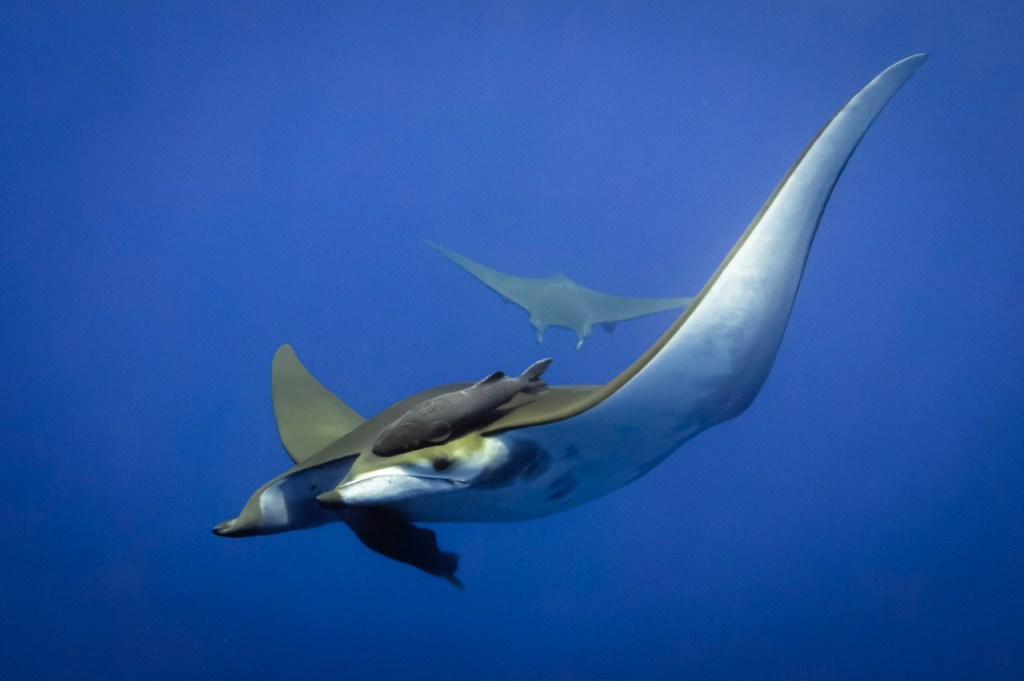
Recently, our organization was faced with a proposal to downgrade the status of fully protected Marine Protected Areas (MPAs) recently approved as part of the development of the Azores Marine Protected Areas Network (RAMPA) on November 11, 2024. The proposal, from the Socialist Party (PS) in duty, aims to change the fully protected status of offshore protected areas, namely those relative to conspicuous seamounts within the Azores exclusive economic zone (EEZ), to create an exception which allow tuna fisheries with pole-and-line gear.
In our view, downgrading the ‘full protection’ status of such areas — particularly the seamounts recognized as preferential aggregation zones for sensitive marine fauna, including the Cachalote Bank (PMA22), Diogo de Teive Bank (PMA24), Princess Alice Bank (PMA15), Condor Bank (PMA14), Dom João de Castro Bank (PMA11), and the Formigas Islets and Dollabarat Reef (PMA31) — represents a grotesque scientific, cultural, and social setback. Furthermore, It undermines the significant efforts made by various bodies and institutions that have long fought to designate these areas as fully protected.
Given the sudden nature of these developments — even preceding the enforcement of the previously approved statutes — it is hard not to suspect the influence of a fishing sector lobby leveraging political clout within the Legislative Assembly of the Autonomous Region of the Azores, resulting in a disproportionate influence compared to other sectors of the archipelago’s economy. This devalues the importance of a healthy marine environment for tourism, hospitality, and other service industries that would clearly benefit from the implementation of protection measures. Moreover, this downgrading ironically also harms the fishing sector itself, which could have benefitted from the proven “spillover effect” of increased fish stocks in adjacent areas — a key benefit of well-managed MPAs — ultimately boosting profitability and productivity for local fishing communities.
It is the responsibility of political decision-makers to ensure that scientific evidence and community will — made clear during the public participation process in the development of the RAMPA project and approved by the Regional Assembly on November 11, 2024 — take precedence over the evident lobbying and influence peddling that underlie this proposal to alter the protection status of these areas, even before the approved statutes take effect.
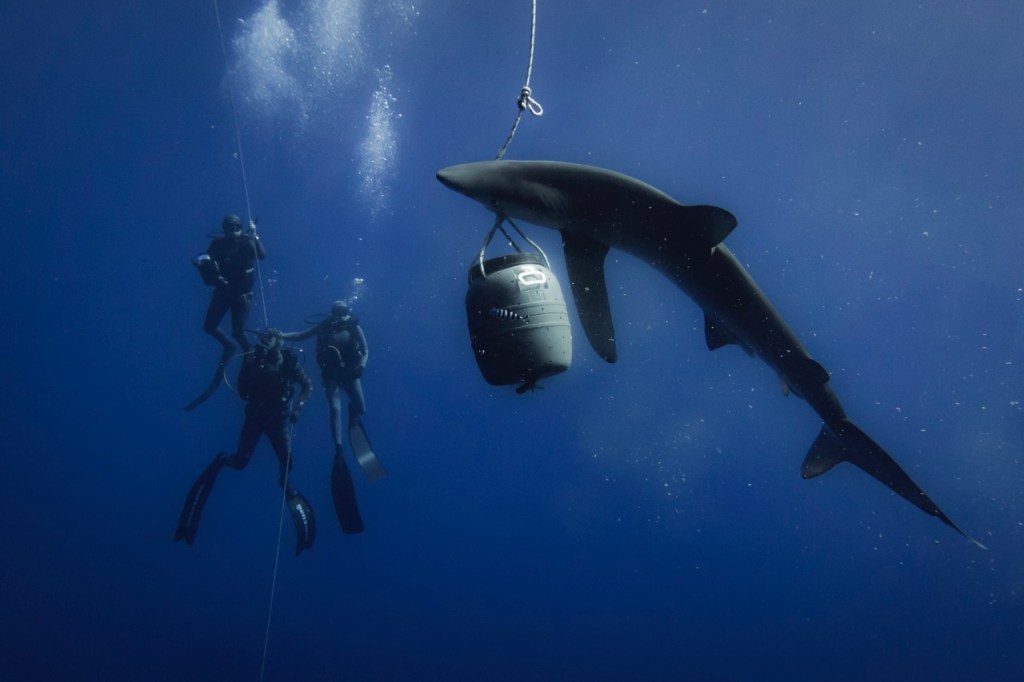
We remind the regional assembly deputies that the Azores, a remote region of Europe with enviable natural wealth — marine, terrestrial, cultural, and scenic — has long flown the flag of sustainability. This has given the region international recognition, despite the fact that very little has actually been done for real marine protection, apart from the measures implemented for cetacean species that benefit from particularly well established protection measures. Nonethelss, coastal and oceanic MPA monitoring is virtually non-existent. We lack both a dedicated fleet and a marine ranger force to effectively enforce protection statutes. Ecological management in port areas is also non-existent, causing major sources of marine pollution that spill into adjacent marine zones and have already led to several ecological crises. These crises have disturbed the coastal habitats of the Azores, with still unmeasured consequences for native species (e.g., the invasive brown algae Rugulopteryx okamurae and Caulerpa webbiana, which have disrupted the underwater landscape and local biological communities).
Given their historical and geographic context, the Azores and Portugal have an ethical and moral obligation to position themselves in Europe and the world as a model of sustainability — not only meeting but exceeding the minimum standards set by the Sustainable Development Goals outlined in the “Horizon 2030” agenda, to which Portugal is a signatory. It is thus regrettable that, in addition to the mediocre goals and weak structure of the MPA network — which, in our view, allows for considerable ambiguity — we now face an intent to continue impacting seamounts, leaving vulnerable species at the mercy of an industry lacking environmental awareness. This weakens the intricate connectivity between seamounts that is essential to guarantee habitat connectivity, ecological corridors, and access to resources for pelagic species.
In our analysis, the current set of fully protected areas still does not reflect the actual connectivity needs required to make the RAMPA network effective in safeguarding habitat and resource needs of iconic Azorean species like sharks and rays — species that are gaining increasing prominence regionally, nationally, and internationally in the marine tourism sector.
Activities such as shark and ray diving, whether coastal or oceanic, should benefit from a similar level of protection and prestige as the well-established and successful whale watching sector in the Azores. Over the past 20 years, diving activities focused on elasmobranch observation have flourished, gaining international attention and bringing thousands of tourists and millions of euros annually to the region — far exceeding the market value of these species when sold at fish markets over an entire decade. The value of elasmobranchs as a non-extractive resource for the Azores is clearly documented in the following studies:
- Torres, Paulo & Bolhão, Nuno & Cunha, Regina & Cabral Vieira, José & Rodrigues, Armindo. (2017). Dead or alive: The growing importance of shark diving in the Mid-Atlantic region. Journal for Nature Conservation. 36. 10.1016/j.jnc.2017.01.005
- Ressurreição, A. et al (2022). The value of marine ecotourism for a European outermost region. Ocean & Coastal Management. 222. 10.1016/j.ocecoaman.2022.106129
For all the above reasons, Consharkvation Azores takes a firm stand in support of the previously agreed RAMPA vision. The objective of protecting 15% of Azores EEZ from extractive activities is, in our opinion, still a modest goal — falling short of the true conservation potential that the Azores should claim to position itself as an international reference in nature conservation. As a remote region whose way of life and culture have been shaped by dependence on marine resources.
It is our belief that an adequate adaptation to modernity from the Azorean and Portuguese government requires a profound paradigm shift towards a truthful precautionary approach to manage marine resources, specially backed-up by science, which ultimately is the driving force of a social and technological development subsidized by tax payers.
Lastly, we defend that by maintaining — and ideally expanding — these fully protected areas, we can benefit multiple economic sectors simultaneously, ensuring resource abundance, biodiversity richness, and a thriving fishing industry while safeguarding the unique natural heritage of the Azores.
 CONSHARKVATION.ORG